 One of the world’s most popular vacation destinations, the Southern Florida powerhouse Miami Flights continues to remain a hot choice of travelers eyeing a beach vacation. The city’s happening nightlife scene, Art Deco district, energetic vibes of Little Havana and Calle Ocho, and the sprawling white sand beaches are a few reasons why people love vacationing in Miami. But that’s not all there is to Miami; the city is known for being a cultural Mecca and boasts a rich heritage. In this article, we are sharing a few interesting places that you should include in your itinerary while exploring Miami’s diverse culture and heritage from up-close. Since the city is heavily wish-listed by tourists, traveling to Miami can be an expensive affair if you do not plan ahead and book your flights early.
Art Deco Historic District
Pride of Miami, the Historic Art Deco District in the city’s South Beach neighborhood is no less than an architectural wonder. Packed with people, restaurants and iconic buildings like the Celino, Cardozo and Carlyle; Art Deco is a must-visit for anyone wanting to explore the cultural heritage of Miami. It is also the best place to experience Miami’s famed nightlife with its numerous bars and live music venues.

The Vizcaya Museum and Gardens
One of the city’s celebrated treasures, the Vizcaya Museum and Gardens is world-renowned for its stunning architecture, lush gardens and extraordinary artwork. A must-visit for lovers of art, this Renaissance-style villa features unique furniture and European artworks, some of them dating back to as far as the 15th century. The maze in the gardens is a great place to have fun with your family.
Perez Museum Miami

The Perez Art Museum Miami (PAMM) is a contemporary art museum that features domestic and international art from the 20th and 21st centuries. The hanging chair installation and Konstantin Grcic’s Netscape deserve a special mention. One of the most famous art museums in the city, the massive structure also features a sculpture garden. The PAMM gift shop is regularly rated as the top museum gift shop in Miami. If you want to spend less on Miami flights, try booking airline tickets to an alternate airport near Miami like Fort Lauderdale.
Wynwood Arts District
The Wynwood Arts District north of downtown Miami is home to more than 30 art galleries and studio spaces. Evenings on second Saturdays are reserved for the district’s famous art walk when you can look forward to state-of-the-art exhibitions. MOCA at Goldman Warehouse, Rubell Family Collection and Margulies Collection at the Warehouse are some of the other star attractions here. If art lovers can find affordable plane tickets and a cheap room in Miami, then they are in for some healthy savings.

Little Havana
Little Havana is the best place for a sneak peek into Miami’s Cuban Culture. Foodies can enjoy strong Cuban coffee along with a hearty meal of black beans and rice at this Calle Ocho neighborhood. Head to the Maximo Gomez Park for a game of dominos or chess with the locals or have a walk along the main street or the Walk of fame dedicated to Latino artists.
Coral Gables
Located just south of downtown Miami, the city of Coral Gables is known for its iconic boulevards, which are dotted with famous monuments like the Biltmore Hotel and the Venetian Pool. Home to the University of Miami, Coral Gables is home to the Miracle Mile, which is considered a shopping and dining paradise. The Fairchild Tropical Botanical Garden is a great place to enjoy a picnic with family.
Coral Castle

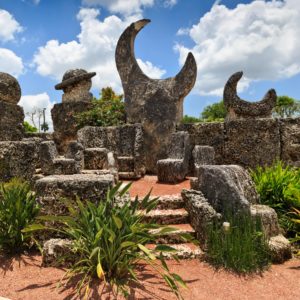
Made from 1100 tons of coral rock, the Coral Castle, designed by Latvian American artist Edward Leedskalninand is a stunning work of art. Many visitors to the castle are left stunned, wondering how the designer achieved this massive feat alone. This is a must-visit if this is a family trip with kids in tow.
Art Week Miami
One of the hottest events in Miami’s annual Calendar, the buzzing Miami art week features a number of art fairs, amazing artworks and fabulous artists; all under one roof. Live shows and engaging installations at the venue will keep the art connoisseurs hooked for hours. Miami’s food and flavors add the much-needed spice to the event.